
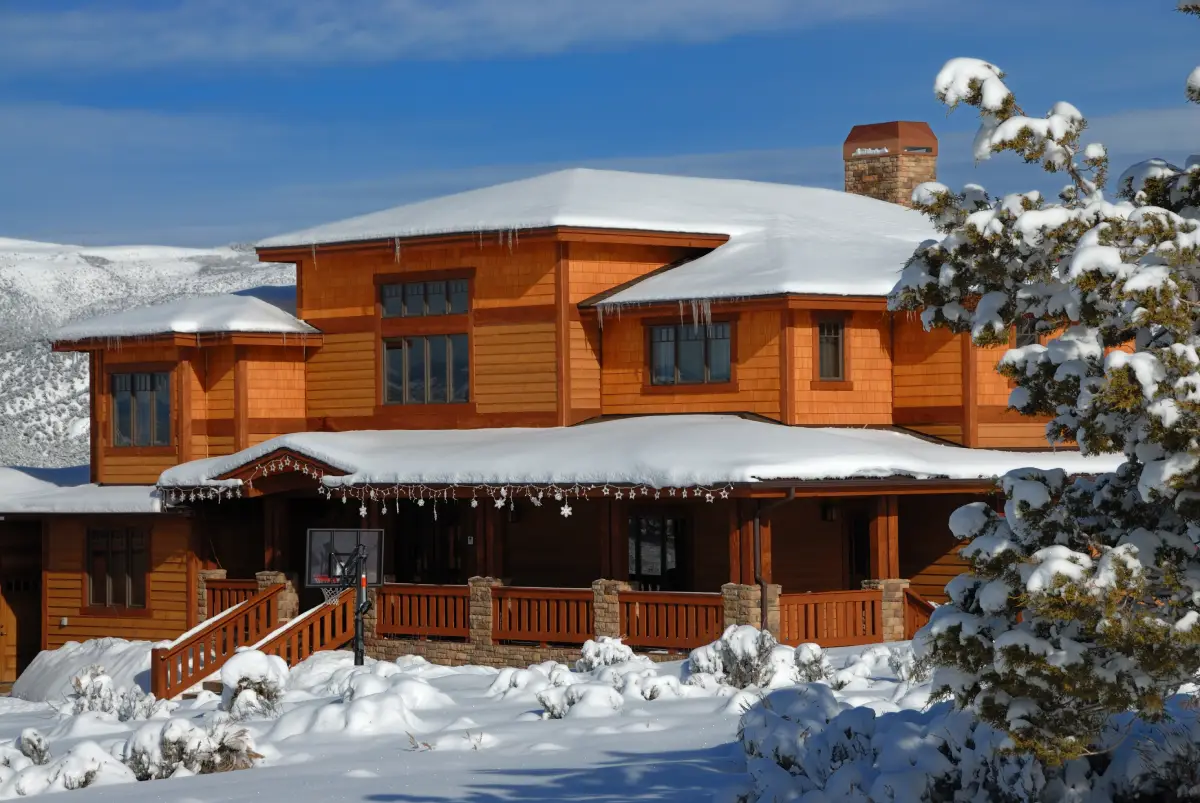
Philadelphia winters can be unpredictable. One week brings mild air and melting snow, while the next freezes sidewalks and rooftops solid. This constant back-and-forth can strain your property’s systems if they aren’t properly maintained. Preparing before the deep freeze hits means fewer emergencies and happier tenants. Whether you manage a single apartment or several rowhomes, a proactive plan can help you prevent damage and protect your investment. If you want to keep your rentals competitive all year, take a look at these tips on how to keep your Philadelphia rental in demand.
Key Takeaways
- Early preparation reduces costly winter emergencies and protects property value.
- Heating, roofing, and plumbing systems need seasonal maintenance to avoid damage.
- Reliable communication keeps tenants informed and cooperative during cold weather.
- Regular inspections prevent problems caused by snow, ice, and freezing temperatures.
- Partnering with professionals ensures consistent care and long-term stability.
Plan Ahead Before the Cold Arrives
It’s best to prepare when temperatures are still mild. Start by performing a thorough inspection of each rental property in early fall. Walk through every room, check for drafts, and inspect door and window seals. Test smoke and carbon monoxide detectors and replace batteries if needed. Ensuring safety and comfort now helps you avoid costly issues later.
Focus on Energy Efficiency
Small upgrades can make a big difference during Philadelphia’s cold spells. Weather stripping, caulking, and new insulation reduce drafts and energy waste. Consider installing programmable thermostats that regulate temperature efficiently, helping tenants save on energy bills while keeping the unit comfortable.
Keep the Heat Flowing Smoothly
A dependable heating system is crucial during winter. Schedule HVAC maintenance before December arrives. Replace filters, clean vents, and inspect ducts for blockages. Make sure thermostats are calibrated and furnaces are free of debris. Regular maintenance keeps systems efficient and extends their lifespan.
Encourage tenants to report any unusual sounds or temperature drops immediately. Quick responses prevent larger breakdowns. If you’re dealing with vendor coordination challenges, you may find our article about avoiding contractor headaches in Philly especially helpful.
Protect Pipes from the Freeze
Frozen pipes are one of the most expensive winter disasters a landlord can face. Inspect all plumbing areas, including basements and exterior walls, for exposed pipes. Use foam insulation sleeves to protect vulnerable sections.
Even unoccupied units should have thermostats set at a moderate temperature to prevent freezing. Remind tenants to let faucets drip slightly on extremely cold nights. These small steps can save thousands of dollars in potential damage and repairs.
Roof and Gutter Maintenance
Philadelphia’s mix of snow, sleet, and freezing rain can create stress on rooftops. Inspect roofs for missing shingles, cracks, or sagging areas before winter starts. Clear out gutters and downspouts to prevent water from freezing and causing leaks or ice dams.
Roof Care Essentials
- Clean gutters of leaves and debris.
- Check flashing and vents for damage.
- Trim tree branches that hang over the roofline.
Regular upkeep keeps your property protected when snow begins to accumulate.
Keep Outdoor Areas Safe
Sidewalks and stairs can become dangerous when ice forms overnight. Stock up on pet-safe ice melt and sand to use after storms. Adequate lighting around entrances and walkways helps prevent slips and improves visibility for tenants returning home after dark.
Philadelphia ordinances often require timely snow removal from public sidewalks. Review your lease agreements to clarify who is responsible for clearing specific areas. Prompt action after snowfalls helps avoid fines and keeps tenants safe.
Chimney and Fireplace Safety
If your rental includes a fireplace, it should be inspected before winter use. Have a licensed chimney sweep remove soot and debris. For gas fireplaces, confirm that vents and lines are in working order.
Remind tenants about safety habits, such as keeping flammable items away from open flames and never leaving fires unattended. A short safety notice can prevent serious incidents later.
Communication Builds Trust
Good communication is one of the easiest ways to avoid winter emergencies. Send seasonal checklists with practical tips for preventing issues like frozen pipes and clogged vents. Provide clear contact information for maintenance emergencies and confirm your response procedures with tenants.
Stay in Touch During the Season
- Email or text winter safety reminders.
- Follow up after storms to check for property damage.
- Share updates on any ongoing maintenance schedules.
When tenants feel informed, they’re more likely to cooperate and handle small issues responsibly.
The Role of Proper Insulation
Insulation isn’t just about keeping warm; it also prevents moisture buildup and energy loss. Check attics, basements, and crawl spaces for thin or wet insulation. Replace damaged sections to maintain optimal efficiency.
For property owners who travel or manage multiple homes, our home watch services ensure your properties stay secure and well-maintained year-round. Regular inspections help identify problems early and protect your investment even when you’re away.
Encouraging Tenant Involvement
Tenants play a big part in maintaining property health during winter. Clear communication about their responsibilities helps prevent confusion. Offer easy-to-follow guidance for managing heating, monitoring water flow, and avoiding power overloads.
Tenant Winter Checklist
- Keep heat at a steady temperature.
- Report any leaks or condensation immediately.
- Avoid blocking radiators or vents with furniture.
- Open cabinet doors under sinks on freezing nights to allow airflow.
When tenants take small steps consistently, everyone benefits from fewer emergencies and greater comfort.
FAQs about Winter Property Maintenance in Philadelphia, PA
When should landlords begin winter maintenance?
Start inspections and maintenance in early fall to ensure enough time for repairs before freezing temperatures arrive.
How can property owners improve heating efficiency?
Seal windows, add insulation where needed, and schedule professional HVAC tune-ups for peak performance during cold months.
What’s the best way to prevent frozen pipes?
Insulate exposed pipes, maintain indoor temperatures, and remind tenants to let faucets drip slightly during extreme cold.
Are tenants responsible for clearing snow?
Responsibility depends on lease terms, but property owners usually handle shared areas, while tenants may clear private entrances.
How often should landlords inspect roofs in winter?
Perform visual checks after major snow or ice events to spot issues early and arrange professional inspections twice per season.
Keep Your Philadelphia Rentals Secure This Winter
Winter in Philadelphia doesn’t have to mean stress and repair calls. With preparation, communication, and consistent upkeep, your properties can handle even the toughest weather. Each preventive measure adds value and peace of mind for you and your tenants.
At Property Management International Greater Philadelphia, we specialize in proactive care that keeps rentals running smoothly, no matter the season. Protect your investments and schedule dependable maintenance support with our local team today.
