
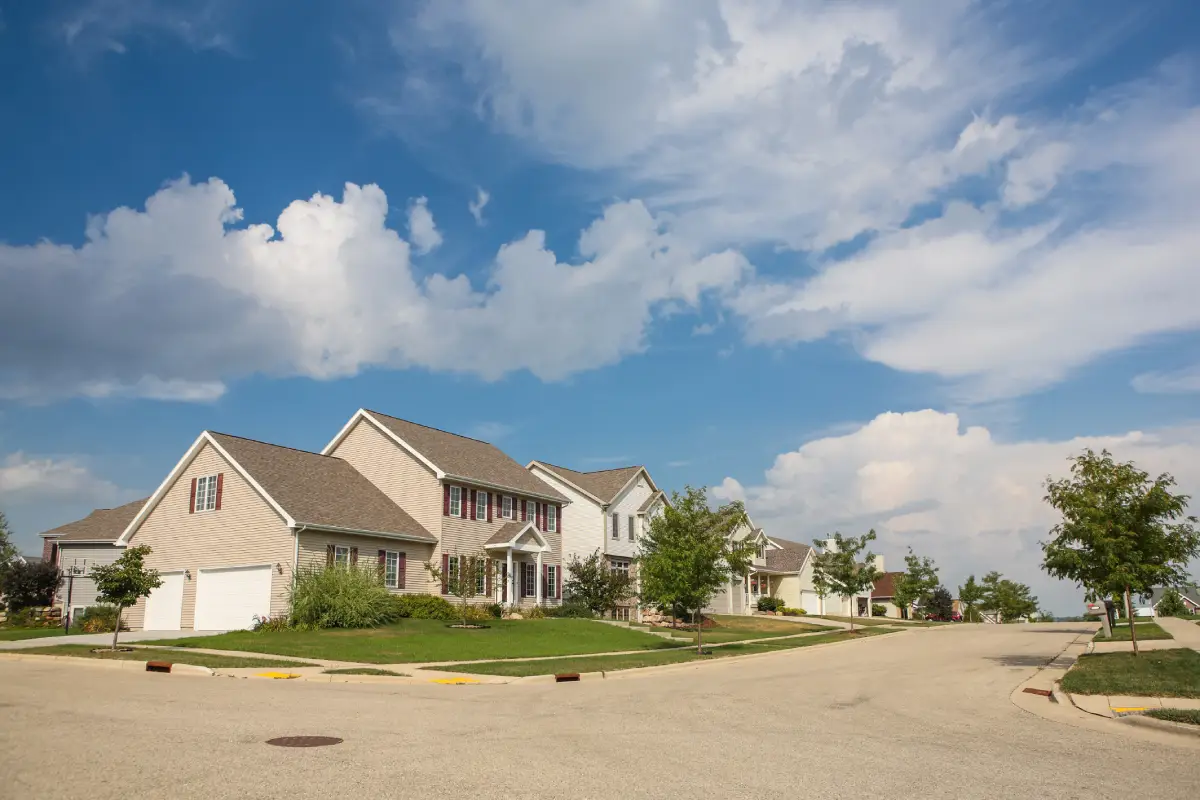
Neighborhood standards often depend on consistency, but strict enforcement can quietly shift a community’s atmosphere. Residents may initially appreciate structure, yet frustration grows when every violation receives the same response regardless of the circumstances behind it. In many Philadelphia associations, boards are trying to preserve order while also protecting long-term resident relationships.
That balance becomes harder when expectations rise. Studies show that 86% of residents in community associations report positive or neutral living experiences, which places pressure on boards to maintain fairness without creating resentment. Through our community leadership support, we often see how communication gaps and rigid processes can create tension that spreads throughout the neighborhood.
Key Takeaways
- Consistent enforcement helps Philadelphia HOAs maintain credibility when applied with reasonable judgment.
- Residents respond better to rules when communication feels respectful and clear.
- Overly rigid enforcement can reduce cooperation and increase homeowner disputes.
- Flexible processes supported by documentation improve trust between boards and residents.
- Strong HOA systems rely on transparency, timing, and proactive communication.
Why Consistency Alone Does Not Solve Enforcement Problems
Clear standards matter in any association. Residents expect the rules to apply evenly, especially in communities where appearance, maintenance, and shared amenities affect property values. Still, consistency without context can create problems that slowly weaken trust.
Residents Notice Uneven Reactions Quickly
The more predictable enforcement becomes, the more closely homeowners pay attention to every decision. A resident who receives a warning for parking violations may compare their situation to a neighbor who appears to receive extra time for a similar issue.
Those comparisons often become emotional before they become factual. Even when boards follow procedures correctly, residents may assume favoritism if communication is unclear. Our team frequently discusses these concerns during conversations surrounding financial transparency concerns, where perception strongly influences community trust.
Strict Processes Can Change Community Behavior
Communities with highly rigid enforcement often experience increased reporting between neighbors. Small disputes gain momentum because residents become more focused on identifying violations than maintaining relationships.
That shift creates several long-term concerns:
- Residents become hesitant to communicate openly with board members.
- Homeowners may challenge decisions more aggressively.
- Routine enforcement begins to feel punitive instead of protective.
Philadelphia communities tend to function best when rules support cooperation rather than suspicion.
Real-Life Circumstances Rarely Fit Perfectly Into HOA Policies
Rules are designed for broad application, yet homeowners deal with personal situations that cannot always be handled through automatic responses. Families face emergencies, temporary hardships, travel delays, contractor issues, and unexpected life changes that affect compliance timelines.
Without flexibility, boards may unintentionally escalate manageable situations into ongoing disputes.
Delays and Hardships Require Practical Judgment
A homeowner waiting for roofing materials after severe weather may need additional time before completing repairs. Another resident may fall behind on landscaping requirements while caring for an ill family member.
Situations like these do not always require immediate penalties. They often require communication and documentation.
Boards that acknowledge reasonable circumstances usually maintain stronger resident relationships while still protecting community standards. Discussions surrounding reserve planning strategies often highlight the same principle. Long-term stability improves when associations plan thoughtfully rather than reacting aggressively.
Poor Context Leads to Larger Disputes
Rigid enforcement tends to create several recurring problems:
- Minor violations become formal complaints.
- Residents stop responding cooperatively.
- Board meetings become increasingly confrontational.
- Trust in leadership declines over time.
Many of these issues begin with communication breakdowns rather than the violation itself.
Excessive Enforcement Often Reduces Voluntary Compliance
Most residents want to follow reasonable community standards. Problems usually develop when enforcement feels constant, impersonal, or disconnected from practical reality.
Communities relying heavily on notices, fines, and repeated warnings may unintentionally create resistance.
Residents Respond Better to Guidance Than Pressure
When homeowners feel respected, they are more likely to cooperate quickly. A clear explanation paired with a reasonable timeline often produces stronger results than repeated penalty notices.
Boards should pay attention to patterns such as:
- Slow responses to violation notices
- Increased complaints during meetings
- Repeated disputes over deadlines
- Escalating frustration in email communication
These warning signs usually indicate that enforcement processes need adjustment.
Associations dealing with leadership transitions often experience these challenges more intensely. In Philadelphia communities navigating board transition issues, inconsistent enforcement histories frequently create confusion for both residents and new board members.
Communication Shapes How Residents Interpret Enforcement
Even reasonable policies can create tension when communication feels abrupt or vague. Residents are more likely to cooperate when they understand the purpose behind the rule and how the decision was reached.
That becomes increasingly important as workloads grow. Industry reporting shows managers may oversee as many as 42 active violation cases at one time, creating pressure to streamline notices and responses.
Tone Matters More Than Many Boards Realize
Violation notices should remain professional, specific, and solution-oriented. Harsh language often escalates situations that could have been resolved quickly through respectful communication.
Strong communication generally includes:
- Clear explanations of the issue
- Practical next steps
- Reasonable response timelines
- Contact information for follow-up questions
Timing also matters. Sending multiple notices within short periods may frustrate residents before they have a chance to respond appropriately.
Preventive Communication Reduces Conflict
Boards often focus heavily on enforcement after violations occur. Preventive communication usually produces stronger long-term results.
For example, associations conducting community compliance reviews can reduce confusion by explaining expectations before inspections begin. Residents respond more positively when they know what the association is looking for and why those standards matter.
Clear communication creates fewer surprises and fewer emotional reactions.
Flexible Enforcement Still Requires Structure
Flexibility does not mean abandoning standards. Successful Philadelphia HOAs create clear guidelines for how exceptions are handled while documenting decisions carefully.
That structure protects fairness while giving boards room to address real situations thoughtfully.
Define When Exceptions Apply
Boards should identify circumstances where temporary accommodations may be appropriate. These policies help residents understand that flexibility follows a process rather than personal preference.
Reasonable exceptions may involve:
- Medical emergencies
- Contractor scheduling delays
- Severe weather disruptions
- Temporary financial hardship
When expectations remain documented, flexibility strengthens trust instead of weakening authority.
Documentation Protects Everyone Involved
Written records matter whenever boards grant extensions or temporary exceptions. Proper documentation reduces confusion later and helps future board members understand prior decisions.
Associations using organized self-managed HOA services often maintain stronger consistency because communication, records, and enforcement procedures remain centralized and easier to review.
Better Leadership Creates Better Community Outcomes
Enforcement works best when boards combine professionalism with practical judgment. Residents want to feel that rules protect the neighborhood fairly without treating every situation as a disciplinary issue.
Strong leadership requires patience, communication, and a willingness to evaluate circumstances carefully.
Philadelphia communities that maintain long-term stability usually share several qualities:
- Clear expectations
- Consistent communication
- Organized documentation
- Respectful resident interactions
- Fair enforcement procedures
These communities tend to experience fewer escalated disputes and stronger resident participation overall.
FAQs about HOA Rule Enforcement Flexibility in Philadelphia, PA
How can Philadelphia HOA boards remain fair while allowing exceptions?
Boards can create written policies outlining when temporary accommodations may apply. Documenting every decision helps maintain consistency while allowing flexibility for emergencies, delays, or other reasonable circumstances that affect compliance timelines.
What causes homeowners to resist HOA enforcement?
Residents often resist enforcement when communication feels impersonal, unclear, or overly aggressive. Frustration grows when homeowners believe their concerns are ignored or when penalties appear disconnected from practical situations within the community.
Should HOA boards avoid fines completely?
Fines still serve an important role in maintaining standards, but they should support compliance rather than become the primary communication tool. Clear explanations and reasonable timelines usually improve cooperation before penalties become necessary.
Why do communication problems increase neighborhood tension?
Poor communication creates confusion and assumptions. Residents who do not understand why a rule exists or how decisions are made may question leadership motives, which can quickly increase disputes throughout the association.
How can self-managed Philadelphia HOAs improve enforcement systems?
Self-managed associations benefit from documented procedures, organized records, and proactive communication. Professional support can also help boards apply rules consistently while reducing administrative pressure and resident frustration over time.
Creating Stronger HOA Relationships Across Philadelphia Communities
Healthy associations rely on more than strict enforcement. Residents want structure, but they also expect reasonable communication and thoughtful leadership. Property Management International Greater Philadelphia helps communities create balanced enforcement systems that protect standards without damaging resident trust.
Through organized processes, proactive communication, and ongoing operational support, our team helps Philadelphia HOAs maintain stability while reducing unnecessary conflict. If your association wants clearer enforcement systems and stronger community cooperation, strengthen your compliance process with Property Management International Greater Philadelphia today.
